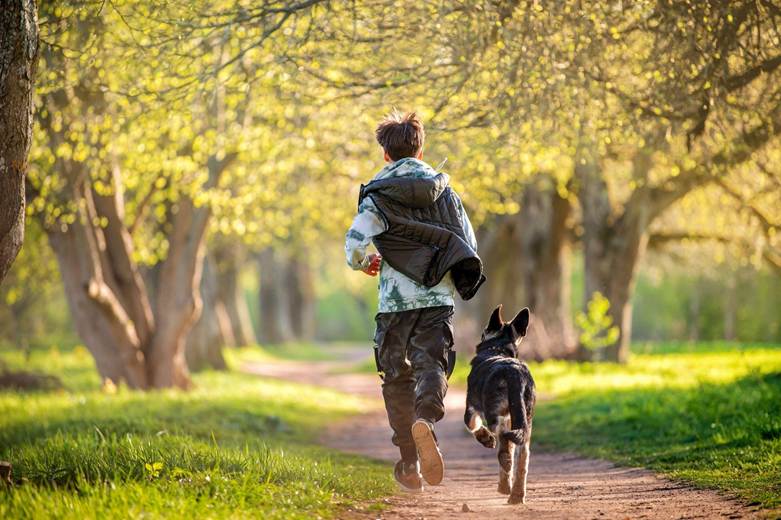
A daily walk can provide exercise and an opportunity to explore, but it is only one part of a dog’s everyday experience. Marissa Corbett provides a relevant starting point for considering a broader aspect of responsible dog care: how ordinary activities can give dogs appropriate opportunities to explore, investigate, and engage with their surroundings.
Enrichment is often misunderstood as a collection of special toys or elaborate activities that require significant time and expense. In practice, it can be incorporated into familiar routines through sniffing opportunities, food-based problem-solving, suitable play, and safe exploration.
The goal is not to keep a dog constantly occupied. It is to provide a reasonable variety of activities that suit the individual animal’s age, physical abilities, temperament, and needs. When enrichment is planned thoughtfully, everyday life can offer more than physical movement alone.
Why Physical Exercise Is Only One Part of the Picture
Exercise is important for many dogs, but the right amount and type depend on individual circumstances. Breed tendencies, age, health, fitness, and veterinary guidance can all influence how much activity is appropriate.
Physical movement also does not automatically provide the same experiences as exploration or problem-solving. A brisk walk along a familiar route may support fitness, while a slower outing with opportunities to sniff may offer additional sensory engagement. Neither approach is universally superior; each can serve a different purpose.
The same principle applies indoors. A dog may benefit from a suitable play session, a simple search activity, or an opportunity to investigate a new object in a calm setting. These experiences add variety without requiring every activity to be physically demanding.
Owners should avoid assuming that a dog needs increasingly intense exercise whenever it appears energetic. Rest, predictable routines, and appropriate mental engagement also matter. If a dog’s activity needs are unclear, a veterinarian can help determine a suitable level of exercise, particularly when health or mobility concerns are present.
Let Sniffing Become Part of the Routine
Smell is a major source of information for dogs. Sniffing allows them to investigate their environment, detect familiar and unfamiliar scents, and explore at their own pace.
Yet walks can become focused almost entirely on distance, speed, or obedience. When every pause is interrupted, dogs may have fewer opportunities to engage naturally with their surroundings.
A more flexible walk can include designated periods for relaxed sniffing in safe areas. Owners can still maintain control near roads, other animals, and potential hazards while allowing the dog more freedom to investigate suitable locations.
The experience does not need to be complicated. A familiar route can offer different sensory information from day to day, while a quiet, safe area may provide a less demanding alternative to a busy public space.
Owners should also recognize individual preferences. Some dogs enjoy exploring new environments, while others feel more comfortable with familiar routes and gradual changes. Enrichment should support the dog’s comfort rather than become another performance expectation.
Use Simple Activities to Encourage Problem-Solving
Food-based activities can provide opportunities for dogs to investigate and work toward an accessible reward. These activities may be particularly useful when weather, scheduling, or physical limitations make a longer outing impractical.
For example, an owner might scatter a portion of the dog’s usual food across a clean, safe area for the dog to locate, or use a suitable food puzzle designed for the animal’s size and chewing habits. A basic search game can also encourage the dog to use its nose without requiring specialized equipment.
A few safeguards make these activities more useful:
- Start with a task the dog can complete without becoming frustrated.
- Use food that is appropriate for the dog’s diet and health needs.
- Supervise toys and puzzles, especially when the dog may chew or swallow parts.
- Introduce new activities gradually and stop if the dog appears distressed.
- Account for activity treats and food rewards within the dog’s overall feeding plan.
Complexity should increase only when the dog is comfortable with the basic activity. An enrichment exercise that is too difficult can create frustration rather than a positive learning experience.
Choose Play That Fits the Individual Dog
Play can support engagement and interaction, but there is no single activity that suits every dog. Some enjoy retrieving toys, others prefer gentle tug games, and some are more interested in searching, chasing appropriate toys, or exploring their surroundings.
Owners should consider physical ability, excitement levels, and the environment before choosing an activity. A game that involves sudden turns or jumping may be unsuitable for a dog with mobility limitations. An intense game may also be unhelpful when a dog is already highly aroused or struggling to settle.
Play should include clear opportunities to pause and disengage. Owners can observe whether the dog remains comfortable, responds to familiar cues, and returns to a calm state afterward. If the interaction consistently leads to escalating tension, guarding, or unsafe behavior, the activity may need to be modified with professional guidance.
The purpose is not to make every game a training exercise. Enjoyable interaction can be valuable in its own right, provided the activity is safe and appropriate for the dog.
Make the Home an Opportunity for Exploration
Enrichment does not have to happen outdoors. Everyday household routines can provide suitable opportunities for exploration, provided owners manage potential hazards.
A designated area with a few safe toys, a comfortable resting place, and occasional changes in accessible objects may offer variety without overwhelming the dog. Rotating appropriate toys can renew interest, although individual dogs differ in how they respond to novelty.
Owners can also incorporate simple search activities into ordinary routines. A dog might be invited to locate a familiar toy or investigate a designated area under supervision. These activities can be brief and adapted to the dog’s abilities.
Safety remains essential. Household cleaners, medications, electrical cords, toxic foods, small swallowable objects, and unstable items should remain inaccessible. Dogs should not be given unsupervised access to unfamiliar objects simply because they appear suitable for enrichment.
A useful home environment balances opportunities for engagement with dependable places to rest. Constant stimulation is neither necessary nor desirable.
Use Enrichment to Support, Not Replace, Training
Enrichment and training can complement one another, but they serve different purposes. Training helps dogs learn behaviors and develop predictable responses to cues. Enrichment provides appropriate opportunities to explore, investigate, play, and engage with their environment.
A search game, for example, can encourage a dog to use its nose, but it does not automatically teach reliable recall around distractions. Similarly, providing a variety of toys does not replace teaching safe behavior around visitors or other animals.
Owners can integrate both into a balanced routine. A short training session might be followed by relaxed exploration or independent play. On another day, a food-search activity may offer variety when the usual walk needs to be shorter.
For owners looking for structured guidance, AB Dog Training is an additional resource to explore. The suitability of any training approach depends on the dog’s circumstances, and activities should be adjusted when fear, aggression, or other persistent behavior concerns arise.
Recognize When an Activity Is Not Working
More enrichment is not always better. A dog that struggles to settle, becomes increasingly agitated during play, or repeatedly avoids an activity may need a different approach.
Owners should observe the animal’s response rather than judging an activity solely by how long it keeps the dog occupied. Signs of comfort, willingness to participate, and the ability to disengage are useful considerations.
It is also important to distinguish an activity preference from a sudden behavioral change. If a dog unexpectedly loses interest in familiar games, becomes reluctant to move, or displays new signs of distress, owners should consider whether a health concern may be involved and consult a veterinarian as appropriate.
Enrichment should be flexible. Some days may call for active play, while others may be better suited to gentle exploration, familiar routines, or rest. The most suitable schedule is one that reflects the dog’s needs rather than a rigid checklist.
Build Variety Into Everyday Care
A thoughtful enrichment routine does not require a packed schedule or expensive equipment. It requires attention to what the dog enjoys, what it can safely manage, and which activities add meaningful variety to daily life.
Marissa Corbett’s broader focus on dog training and care offers a natural context for this principle: a dog’s everyday experience includes more than commands and exercise. Opportunities to sniff, investigate, play, and rest can all contribute to a balanced routine when they are chosen with care.
By starting with simple activities, monitoring the dog’s response, and adapting the routine over time, owners can make enrichment a sustainable part of responsible care. The aim is not constant stimulation. It is a more considered daily experience that respects the dog’s individuality, wellbeing, and need for both engagement and rest.