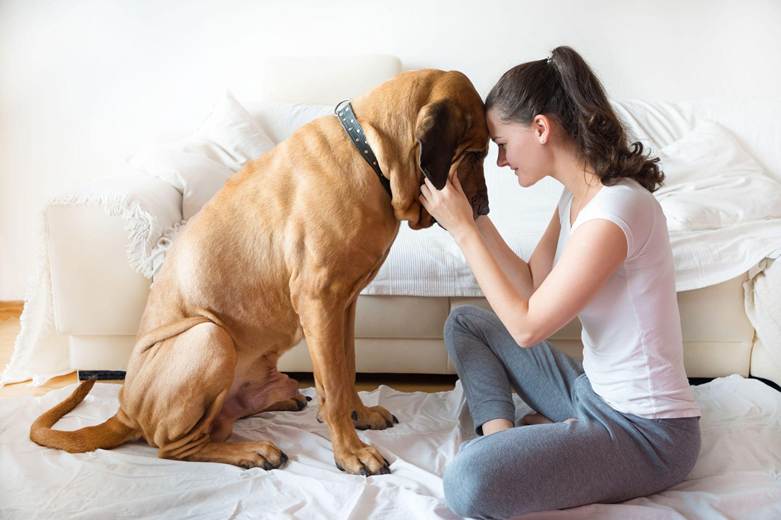
A dog that suddenly becomes withdrawn, restless, irritable, or reluctant to participate in familiar activities may be communicating a change that training alone cannot address. Marissa Corbett is a useful point of reference for exploring an important principle of responsible dog ownership: behavior should be understood in context before it is treated as a problem to correct.
Dogs communicate through their actions, and those actions can be influenced by many factors. A change in routine, an unfamiliar environment, a stressful encounter, or discomfort may affect how a dog responds to people, other animals, and everyday situations. Recognizing these possibilities helps owners avoid assuming that every behavioral challenge reflects disobedience or a failure to learn.
The first step is observation. Rather than immediately trying a new training technique, owners can look for patterns, consider recent changes, and determine whether professional guidance is needed.
Why Sudden Behavioral Changes Deserve Attention
Dogs develop recognizable patterns over time. Owners may become familiar with how their dogs greet visitors, respond to walks, approach food, or settle down at home. When those patterns change, the difference can provide useful information.
A previously sociable dog may begin avoiding interaction. A dog that usually enjoys walks may hesitate at the door. Another may become unusually restless, react more strongly to ordinary sounds, or show less interest in activities it once enjoyed.
These changes do not point to one specific cause. Stress, changes in the environment, discomfort, and other health-related factors can sometimes produce overlapping behaviors. A dog that appears reluctant to follow a command, for example, may be distracted or anxious, but it may also be experiencing physical discomfort that makes the requested movement difficult.
Treating every change as a training issue can delay recognition of the underlying concern. A more careful approach begins by asking whether the behavior is new, what circumstances surround it, and whether other changes have occurred at the same time.
Look for Patterns Before Drawing Conclusions
One isolated incident rarely provides enough information to explain a dog’s behavior. Patterns across different situations can offer a clearer picture.
Owners can observe when a behavior occurs, how frequently it happens, and what precedes or follows it. Does the dog become restless during a particular household activity? Is reluctance limited to a certain route or surface? Does a reaction occur only around unfamiliar people, or has the dog’s behavior changed more broadly?
A simple observation log can help organize these details. Useful information includes:
- Timing: When did the behavior begin, and how often does it occur?
- Context: Where does it happen, and what is taking place immediately beforehand?
- Recent changes: Have feeding schedules, household routines, exercise patterns, or surroundings changed?
- Physical observations: Are there accompanying changes in appetite, mobility, sleep, grooming, or normal activity?
- Recovery: How long does it take for the dog to return to its usual behavior?
This record is not a diagnostic tool. Its purpose is to replace vague impressions with specific observations that can help a veterinarian or qualified behavior professional assess the situation.
Owners should also avoid deliberately provoking a reaction just to see whether it happens again. Repeatedly exposing a dog to a distressing situation can increase discomfort and create additional risks.
Consider Health Before Increasing Training Pressure
Behavior and physical well-being are closely connected. A dog experiencing discomfort may become less tolerant of handling, hesitate before jumping, resist certain movements, or react defensively when approached. Changes in hearing, vision, mobility, or general health may also affect how a dog responds to familiar surroundings.
These signs are not proof of a medical problem, and owners should not attempt to identify a condition based on behavior alone. However, a noticeable or unexplained change warrants attention, particularly when it develops suddenly or appears alongside other physical changes.
A veterinary appointment is an appropriate starting point when a dog’s behavior changes without an obvious explanation. The veterinarian can assess potential health-related causes and advise whether further evaluation is needed. Sudden severe distress, difficulty breathing, collapse, suspected poisoning, or other urgent symptoms require prompt veterinary attention.
If a medical concern is identified, training expectations may need to be adjusted while the dog receives appropriate care. Even when no medical cause is found, the assessment can help owners make more informed decisions about the next steps.
Understand the Effect of Stress and Environmental Changes
Not every behavioral change originates in physical health. Dogs can also respond to unfamiliar surroundings, disrupted routines, changes in household activity, or experiences they find unsettling.
A move, construction noise, a new walking route, or a change in the timing of daily activities may affect how comfortable a dog feels. Some dogs adapt quickly, while others need more time and a gradual introduction to unfamiliar situations.
Stress can be easy to overlook when the trigger seems ordinary to a person. A visitor entering the home may be routine for the household but overwhelming for a dog that is uncomfortable with unfamiliar people. A busy walking route may provide exercise while also exposing a sensitive dog to a continuous stream of sounds, movement, and encounters.
Owners can help by observing the circumstances associated with the change and reducing avoidable pressure. Predictable routines, quiet resting areas, suitable distance from stressful triggers, and gradual adjustments may support a more comfortable environment.
The objective is not to remove every challenge from a dog’s life. It is to distinguish manageable learning opportunities from situations that overwhelm the animal or make safe participation difficult.
Adjust Expectations Instead of Forcing a Quick Return to Normal
When a dog behaves differently, owners may feel pressure to restore the previous routine immediately. They might repeat commands more often, increase the difficulty of training exercises, or insist on activities the dog has begun avoiding.
A more effective response depends on the reason for the change. If a dog is uncomfortable, adding pressure may intensify the problem. If the dog is unsettled by a recent change, a gradual return to familiar activities may be more appropriate than expecting immediate confidence.
Owners can temporarily simplify activities, reward comfortable and appropriate responses, and avoid situations that create unnecessary risk. Any training adjustment should be proportionate to the dog’s behavior and should not replace veterinary evaluation when health concerns are possible.
For persistent fear, aggression, or other behavior that creates safety concerns, guidance from a qualified professional who uses humane, evidence-informed methods can help determine a suitable plan. Severe or escalating behavior should not be managed through trial and error alone.
Share Clear Observations With the Right Professional
Veterinarians and behavior professionals can make better-informed recommendations when owners describe what they have observed rather than relying only on labels such as “stubborn,” “difficult,” or “aggressive.”
Specific details help clarify the situation. For instance, explaining that a dog has recently started avoiding stairs and hesitating before getting into a vehicle is more useful than simply saying that the dog no longer listens. If it is safe to do so, a short video of a naturally occurring behavior may also provide context, but owners should never create a stressful encounter to record one.
Training resources, including AB Dog Training, may be useful when owners are exploring structured approaches to everyday training. However, educational resources should not be treated as substitutes for veterinary assessment when a behavioral change may be linked to health or significant distress.
A More Thoughtful Approach to Behavioral Change
A dog’s behavior is information, not merely a scorecard for obedience. Changes deserve attention because they may reveal something about the animal’s health, environment, comfort, or learning experience.
Responsible training begins with understanding the situation rather than automatically correcting the visible behavior.
By observing patterns, considering recent changes, seeking veterinary guidance when appropriate, and adjusting expectations thoughtfully, owners can respond with greater care and clarity. The aim is not to explain every behavior immediately. It is to make better decisions while keeping the dog’s welfare and everyone’s safety at the center of the process.